Roof Insurance Claim Assistance in Plano TX
Filing a roof insurance claim correctly is more complex than most homeowners realise. Insurers require specific documentation formats, precise damage measurements, and photographic evidence that meets their internal standards. Underdocumented claims are frequently underpaid — or denied entirely — even when the damage is genuine and clearly covered.
Our team has helped hundreds of Plano TX homeowners successfully navigate the insurance claims process following hail and storm events. We provide the documentation, the adjuster coordination, and the technical expertise to ensure your claim is processed correctly.

Damage Documentation
Every impact photographed and measured. Report formatted for your insurer's requirements.
Adjuster Meeting
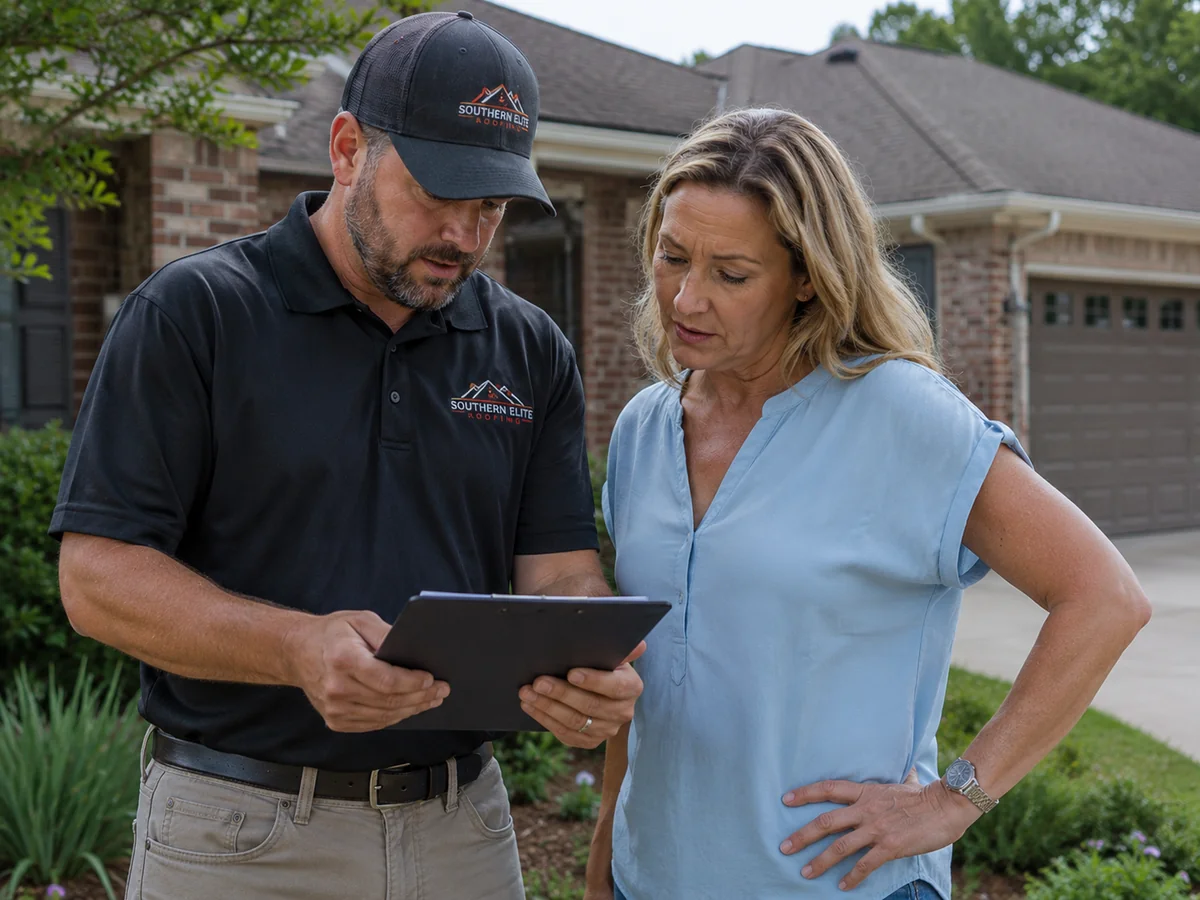
We attend the inspection, ensure all damage is seen, and answer technical questions on-site.
Supplemental Claims
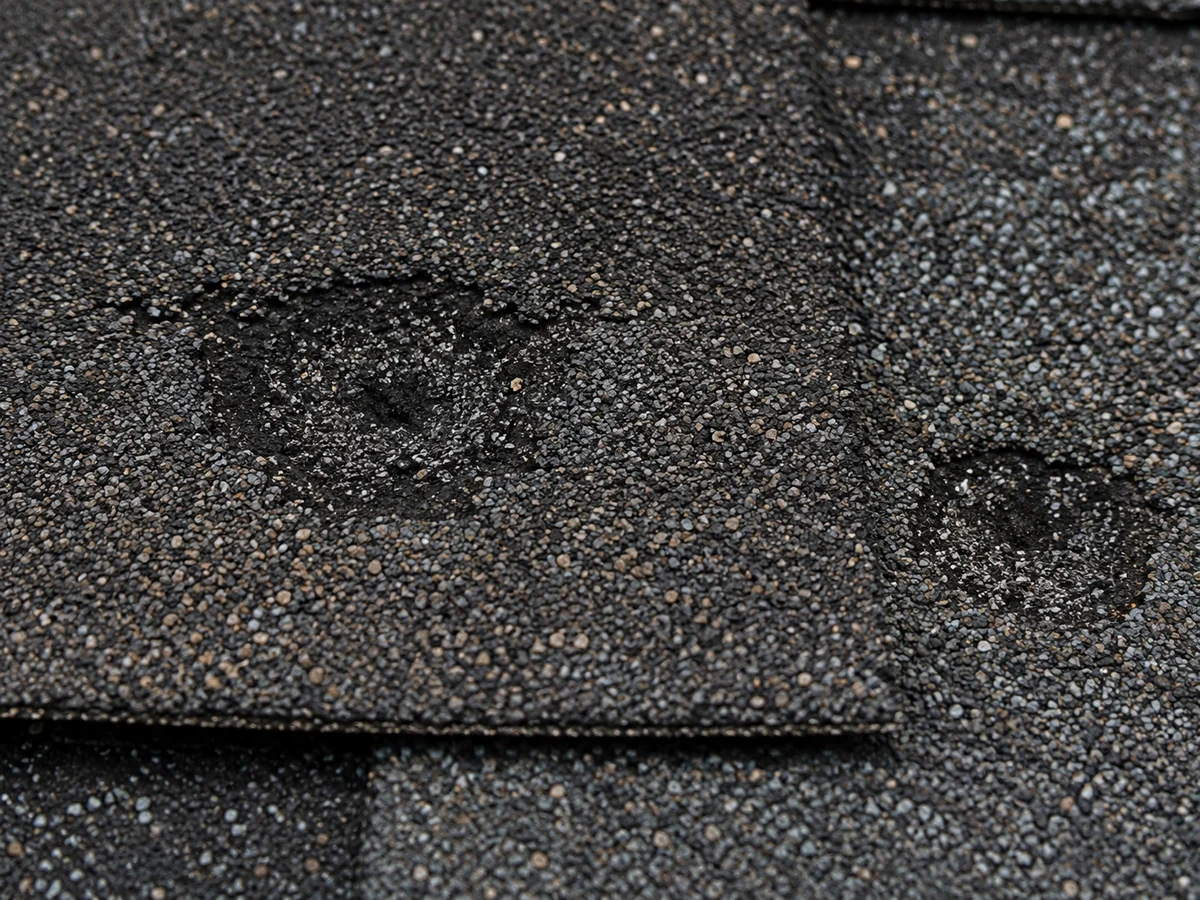
If initial payout is insufficient, we document additional damage for re-submission.
How Our Insurance Claim Process Works
Step 1: Free Roof Inspection and Damage Documentation
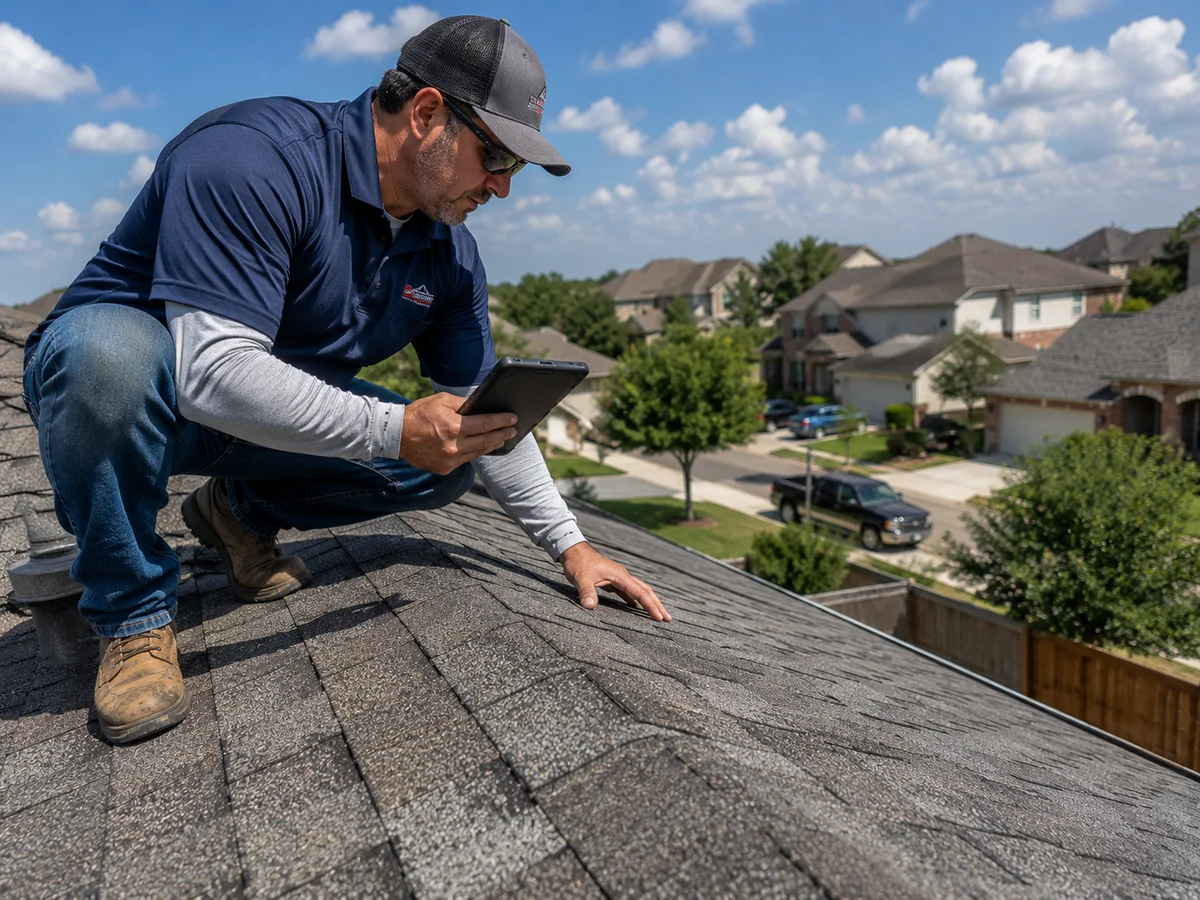
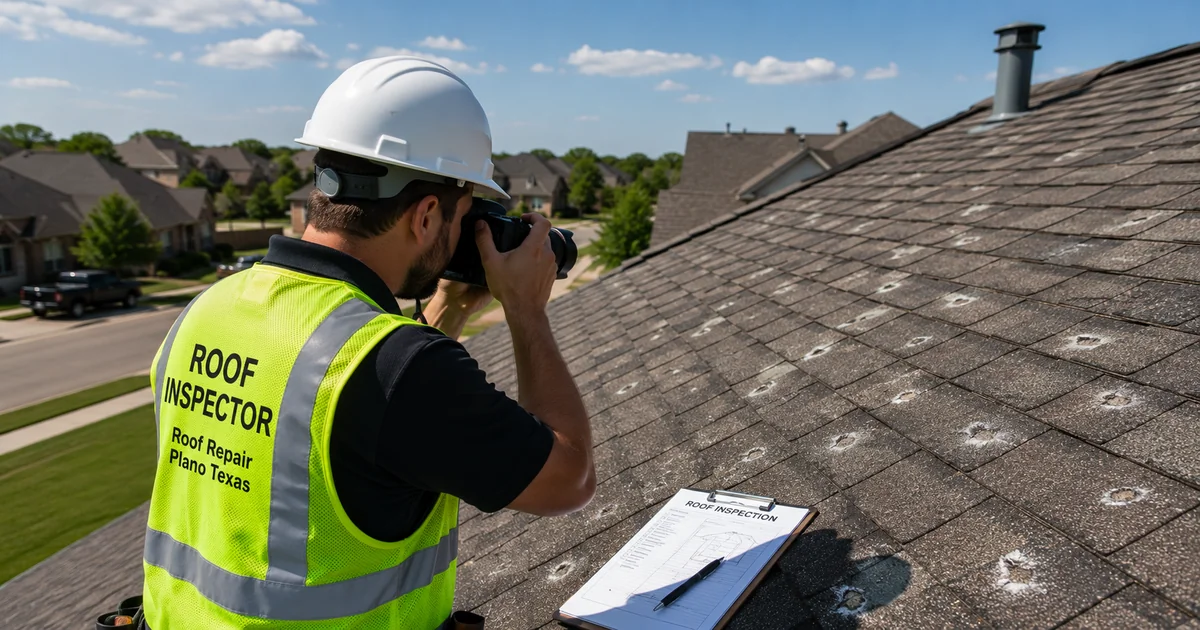
We begin with a thorough roof inspection — at no charge — and document all storm or hail damage with:
- Dated photographs of all impact points, granule loss areas, and structural damage
- Impact density measurements per test square (required by most insurers)
- Metal component documentation — gutters, flashing, and AC fins showing hail size evidence
- Interior damage documentation if applicable
- Scope of damage report in the format required by major Texas insurers
Step 2: Claim Filing Assistance
We help you file the claim correctly — including identifying the correct storm event date, providing supporting weather data for the claim date, and submitting our damage report alongside your claim. Correct initial filing reduces the likelihood of denial and speeds up adjuster scheduling.
Step 3: Adjuster Coordination
We are available to be on-site when your insurance adjuster visits. This is important — having the contractor present during the adjuster inspection ensures:
- All damage areas are physically shown to the adjuster, not just described
- Technical questions are answered in real time
- The scope of damage is interpreted correctly against your policy coverage
- Any areas missed in the initial adjuster walkthrough are identified before the adjuster leaves
Step 4: Supplemental Claims (If Needed)
Initial insurance estimates frequently miss damage items — particularly on complex roof systems or when the initial adjuster inspection is rushed. If your approved scope is insufficient to complete proper repair or replacement, we document the additional damage and submit supplemental claims with supporting evidence.
Step 5: Repair or Replacement
Once the claim is approved, we complete the work. You pay your deductible — insurance covers the remainder. We provide a final invoice and all warranty documentation.

What Texas Insurance Covers for Roof Damage
Standard Texas HO-3 homeowner policies cover sudden and accidental damage from named perils. For roofing, this primarily means:
- Hail damage: Covered — Collin County's hail frequency means this is by far the most common roof claim in Plano
- Wind damage: Covered — missing shingles, lifted sections, damage from fallen branches
- Fallen objects: Covered — tree branches, utility poles, and similar impacts
- Fire damage: Covered
- Normal wear and tear: NOT covered — age-related deterioration without a specific weather event
- Pre-existing damage: NOT covered — damage present before the policy period or before the claimed event
Texas Roof Insurance Law — What You Need to Know
Texas law imposes specific requirements on roofing insurance claims:
- Deductible payment required (HB 2102): It is a Class B misdemeanor for a contractor to waive, absorb, rebate, or pay your insurance deductible. Any contractor offering to "work with your deductible" or "cover your deductible" is violating state law and creating liability for you. We comply fully with HB 2102.
- Written contract requirement: Contracts involving insurance settlements of $1,000 or more must include a bold-faced notice that the policyholder is responsible for paying their deductible.
- Filing window: Most Texas policies require you to file within 1 year of the damage event. After 2 years, most claims are time-barred.
- Right to choose your contractor: Your insurer cannot require you to use their preferred contractor. You have the right to choose a qualified licensed contractor of your choice.
Common Reasons Roof Claims Are Denied in Texas
- Insufficient documentation of damage extent
- Claiming pre-existing damage as a recent event
- Filing after the policy's claim reporting window
- Maintenance exclusions applied to deteriorated roofs
- Incorrect storm event date on the claim
We address all of these through proper documentation and accurate claim preparation. If your claim was previously denied, contact us — we may be able to provide documentation supporting an appeal.
Insurance Claim FAQs — Plano TX
My insurance company says my roof damage is just wear and tear — is that right?
Not necessarily. Hail bruising can be difficult to distinguish from wear and tear without proper inspection equipment and expertise. If you believe storm damage is present, contact us for a second opinion before accepting a denial.
How long does the roof insurance claim process take?
From initial inspection to completed roof, typically 2–6 weeks depending on insurer response times, adjuster scheduling, and material availability. We move the process along as quickly as possible.
What if my insurer and I disagree on the scope of damage?
You have the right to invoke the appraisal process — both parties select an appraiser and an umpire makes the final determination. We provide documentation to support your position in the appraisal process.
Can I file a claim for a storm that happened last year?
In most cases yes, if within 1 year of the event. We can sometimes correlate damage to specific dated storm events using weather records even if you don't know exactly when the damage occurred.